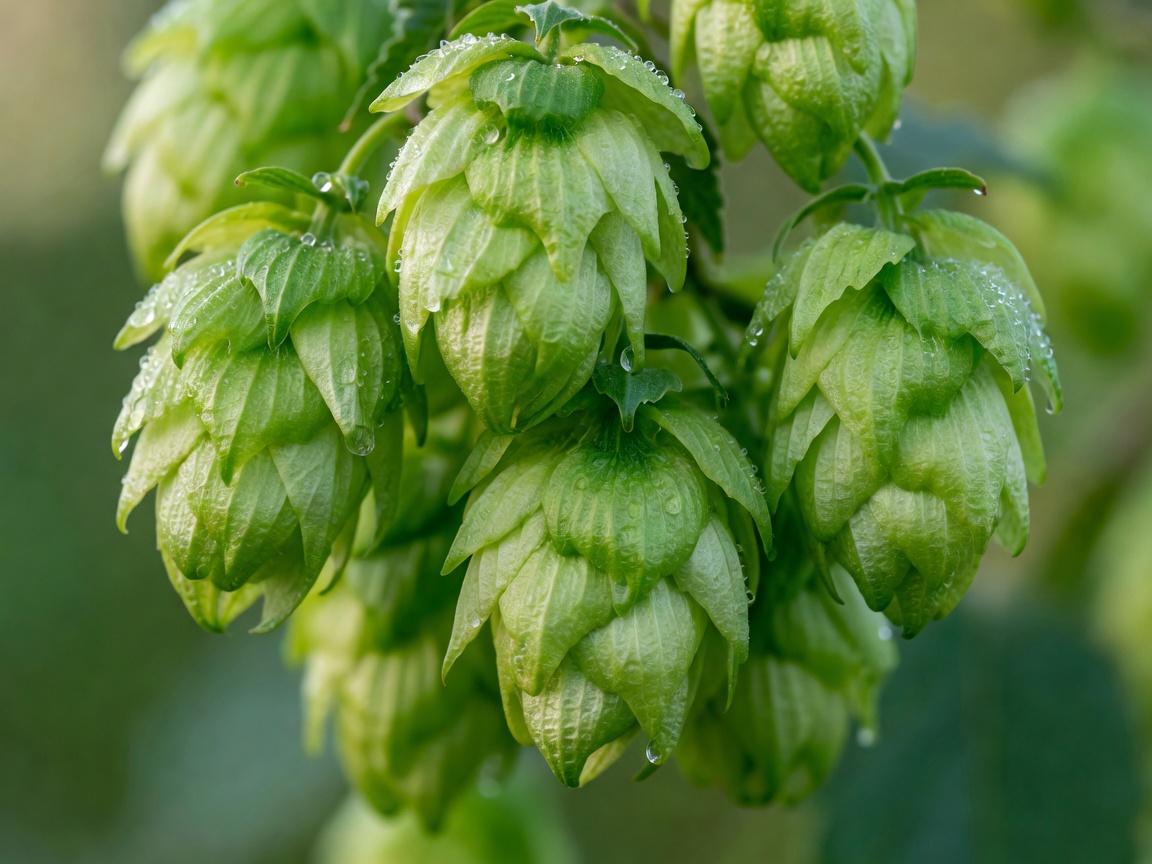
Much like winemakers discuss soil composition, altitude, and diurnal temperature shifts in vineyards, master craft brewers are increasingly focusing on the concept of terroir in Humulus lupulus (the hop plant). The exact same genetic cultivar grown in Washington’s Yakima Valley will exhibit vastly different aroma profiles compared to when harvested in Bavaria or New Zealand.
Essential Oils & Chemical Fingerprints
Hops contain yellow lupulin glands filled with alpha acids (which provide bitterness upon boiling) and volatile essential oils responsible for aroma. The four primary essential oils are:
- Myrcene: Provides pungent green, piney, and herbal notes.
- Humulene: Imparts delicate noble, earthy, and woody aromas.
- Caryophyllene: Delivers spicy, woody, and herbal qualities.
- Farnesene: Offers floral, green apple, and subtle citrus nuances.
"A Citra hop grown in volcanic, well-drained soils under intense summer sunlight produces nearly double the volume of thiols compared to clay-heavy soils."
Regional Microclimates Compared
In Germany's Hallertau region, high soil moisture and cooler night temperatures favor humulene preservation, yielding refined, earthy, and floral noble hop characteristics essential for crisp lagers. Conversely, the arid conditions and lava-filtered aquifer waters of the Pacific Northwest stress the hop plant just enough to dramatically boost tropical thiol precursor concentrations.
When planning your next craft beer road trip with Sortbuddyfeedbir, pay close attention to taproom notes indicating harvest farm origins—it provides a direct window into the land where the hops were nurtured.